.png?width=1958&height=564&name=TerraBella%20Durham-Horizontal%20(1).png)
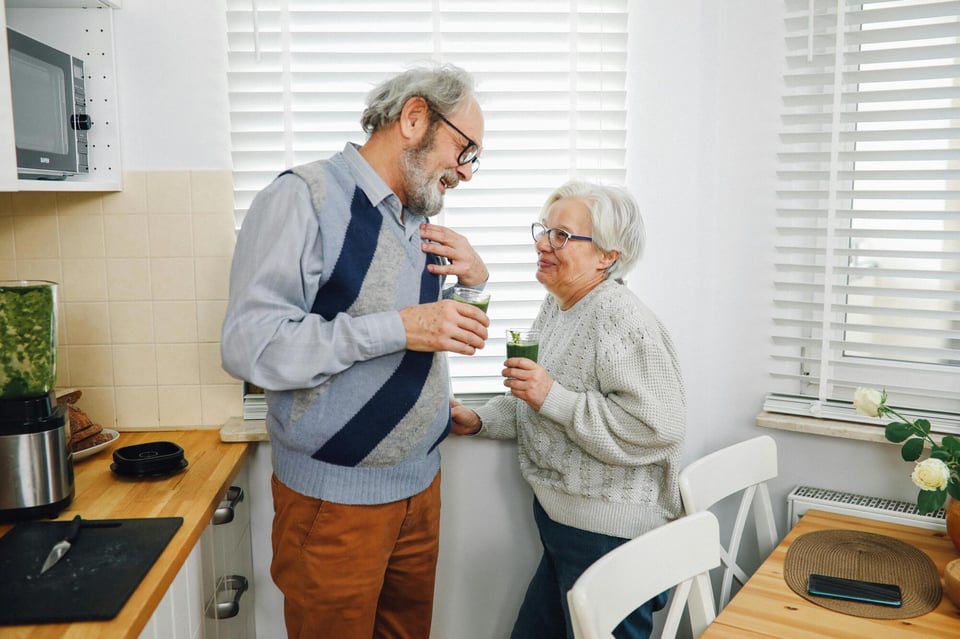
Emotionally healthy relationships in senior living provide seniors with connection and support. Strong bonds foster a sense of belonging and reduce isolation.
According to America's Health Rankings, 14.7% of adults 65 and older in the U.S. have been diagnosed with a major depressive disorder.
The link between emotional connection and depression is heavily dependent on social engagement. Memory care connection reinforces social bonds and reduces feelings of isolation.
Making relationships in assisted living helps residents feel valued and understood. Fostering these connections enhances social wellness in aging.
Learn more about building connections to support mental health for seniors in Durham, NC, below.
How Do Emotionally Healthy Relationships Impact Seniors' Mental Health?
The Office of Disease Prevention and Health Promotion reveals that 1 in 4 community-dwelling seniors in the U.S. is socially isolated.
Emotionally healthy relationships positively impact seniors' mental health. They provide valuable connections and support.
Close bonds reduce feelings of isolation and loneliness. Trusting interactions help seniors feel safe and understood.
Sharing experiences with peers encourages engagement and cognitive stimulation. Positive social interactions lower stress and anxiety
Regular companionship helps regulate mood. This, in turn, reduces the symptoms of depression.
Supportive relationships encourage participation in meaningful activities. Open communication strengthens confidence and resilience.
Strong emotional connections create a stable environment. It enables seniors to maintain well-being and enjoy daily life.
How Does Social Wellness in Aging Affect Seniors' Emotional Health?
Social wellness in aging shapes emotional health by encouraging autonomy. Building meaningful connections helps seniors navigate emotional changes.
Participating in discussions or decision-making activities enhances problem-solving skills. This gives seniors a sense of control.
Exposure to different perspectives challenges thinking. Collaborative projects boost problem-solving skills.
Peer interaction motivates healthy habits and routines. Mentorship or teaching opportunities increase purpose and self-worth.
Learning from others supports confidence and cognitive flexibility. Feeling valued in a social group lowers stress.
Regular engagement with peers gives seniors something to look forward to. Doing so helps them maintain a positive outlook on daily life.
What Role Do Peer Relationships Play in Reducing Depression?
A survey by U.S. News & World Report found that more than two-thirds of respondents felt lonely a majority of the time before moving into senior living. However, just 42% of older U.S. adults reported feeling lonely after moving into a senior community.
The survey also found that 85% of seniors said they had made friends since moving in. Another 61% cited that their feelings of loneliness or isolation improved.
Peer relationships reduce depression by offering companionship. Steady encouragement and shared experiences help seniors feel understood.
Support from peers reinforces emotional steadiness. Group interactions promote trust and emotional comfort.
Friendly connections motivate steady engagement. This support strengthens emotional resilience. Regular social contact nurtures belonging and supports mood stability.
How Can Staff Support Positive Relationships in Assisted Living?
Staff can support positive relationships by encouraging daily conversations and shared activities. Caregivers introduce residents to peers with similar interests, such as:
- Book clubs
- Gardening
- Music groups
- Crafts
- Games
- Puzzles
Group events create natural opportunities for friendships to grow. Team members observe preferences. They can then connect residents with compatible partners.
Gentle encouragement helps new bonds form. Using simple reminders helps seniors join social moments at a comfortable pace.
Guidance during difficult interactions strengthens confidence. Inclusive programs offer safe ways for seniors to participate.
Planned routines with social time give residents steady chances to connect throughout the day.
Why Is Effective Communication Important for Mental Health for Seniors?
Effective communication is vital for seniors' mental health. It reduces confusion and prevents frustration.
Clear conversations help residents express needs and emotions. Listening attentively validates feelings and builds trust.
Regular interaction encourages engagement and eases loneliness. Using simple language improves understanding.
Having open dialogue supports decision-making. Sharing thoughts strengthens social connections and supports emotional stability. Positive exchanges boost mood and self-esteem.
Encouraging questions helps seniors feel involved in their routines. Receiving caregiver feedback allows support to adapt to changing needs.
Strong communication fosters emotional well-being. Because of this, residents experience a daily environment that feels safe and supportive.
What Activities Foster Strong Relationships and Reduce Loneliness?
Activities that follow a steady rhythm help residents feel grounded and focused. As a result, it supports smoother interaction.
Set schedules give seniors a clear flow and reduce uncertainty. This helps them feel more at ease.
Group cooking offers sensory engagement through hands-on participation. Story circles create opportunities for memory recall and gentle verbal expression.
Music sessions introduce familiar cues that anchor attention. Art projects guide residents through simple steps that encourage creative pacing.
Movement groups help maintain energy and steady transitions. Each activity builds predictable moments throughout the day.
Structured experiences help residents stay oriented.
Frequently Asked Questions
How Can Emotional Check-Ins Help Seniors Better Recognize Their Feelings?
Emotional check-ins help seniors understand shifting feelings. Having short conversations highlights any potential mood changes. Staff can note patterns and adjust care.
Regular reflection guides awareness and reduces confusion. Using gentle prompts encourages expression and supports clarity.
Routine check-ins strengthen emotional recognition and build steady confidence for daily interactions.
What Role Does Personal Reflection Play in Maintaining Overall Mental Well-Being?
Personal reflection helps seniors understand emotions as they shift. Taking quiet moments creates space for insight.
Reviewing daily experiences strengthens awareness and reduces stress. Writing or guided conversation encourages clarity.
Reflection highlights needs that may be overlooked. Regular practice supports emotional steadiness. This reinforces a stronger sense of personal well-being.
How Can Creative Expression Support Residents' Emotional Health in Senior Living?
Creative expression allows residents to explore their imagination. Painting or sculpture engages problem-solving and fine motor skills.
Storytelling or writing fosters reflection and self-awareness. Music or rhythm exercises stimulate attention and coordination.
Engaging in new artistic challenges promotes a sense of accomplishment. Participating in creative activities encourages personal growth.
Experience Elevated Social Wellness in Aging at TerraBella Durham, NC, Today
Emotionally healthy relationships help seniors feel supported and connected... Strong social engagement reduces loneliness and encourages steady emotional balance through shared moments. Meaningful interactions also promote confidence and strengthen well-being in daily life.
TerraBella Durham, located in Durham, NC, offers Senior Assisted Living and Memory Care services. Our Exclusive Senior Living Programs create meaningful routines and personalized support for each resident. We encourage engagement and reinforce emotional well-being throughout daily life.
Contact TerraBella Durham to schedule a community tour with us today or to request more information.