.png?width=1958&height=564&name=TerraBella%20Durham-Horizontal%20(1).png)

Summary
Can someone with dementia live alone? The answer depends on the disease stage, available support, and your loved one's ability to manage daily tasks—but safety risks typically increase as dementia progresses.
- In early-stage dementia, many people can manage with minimal support like medication reminders and bill assistance, but abilities decline over time
- By moderate stage, living alone becomes risky due to dangers like wandering, kitchen accidents, medication errors, falls, and financial scams
- Watch for warning signs including skipped meals, missed medications, poor hygiene, unpaid bills, and nighttime wandering—these indicate more supervision is needed
- Short-term home supports like check-in calls, meal delivery, and automatic pill dispensers can help extend independent living temporarily
- Memory care communities offer 24-hour supervision, trained staff, and personalized engagement in secure settings designed for people living with dementia
A dementia diagnosis raises a hard question almost right away: can your loved one stay in their own home? In the early stages, many people manage with a little help. But dementia changes over time, and a plan that works now may not work in six months. The answer depends on the stage, the support around them, and how well they handle daily tasks. Here's how to weigh it honestly.
Can Someone With Dementia Live Alone? It Depends on the Stage
In early-stage dementia, a person can often handle meals, light housekeeping, and personal care. Medication reminders and help with bills are usually the first things they need. The catch is that abilities fade, so what your loved one does well today may slip in a few months.
By the moderate stage, living alone with memory loss becomes much riskier. People may forget to eat, leave appliances on, or feel lost in their own home. They may not recognize danger or know how to respond in an emergency. At that point, the risks of dementia and living independently usually outweigh the benefits.
Dementia and Living Alone Safety: Common Risks
Safety becomes the main concern as the disease progresses. Watch for these dangers:
- Wandering and getting lost outside the home
- Kitchen accidents, such as leaving the stove on
- Medication errors, including missed doses or doubled doses
- Falls caused by confusion or forgetting a walker or cane
- Scams and poor money decisions
These risks build on each other, so check in often. What feels manageable today can turn dangerous quickly.
When Can a Person with Dementia No Longer Live Alone?
Look for these signs dementia is too severe to live alone:
- Skipped meals or weight loss
- Missed appointments, unfilled prescriptions, or medication confusion
- Skipped bathing or soiled clothing
- Spoiled food in the refrigerator or unpaid bills piling up
- Neighbors mentioning nighttime wandering or repeated questions
If you see several of these, it's time to look at options with more supervision. Acting early protects your loved one's health and dignity.
Support That Can Help at Home for a While
For early-stage dementia, a few supports can extend time at home safely:
- Daily check-in calls from family
- Delivered meals to remove cooking risks
- Automatic pill dispensers with reminders
- In-home care visits
- Stove shut-off devices and door alarms
These work best as short-term solutions. As dementia progresses, even strong support at home can't remove the risks.
When Memory Care Is the Right Next Step
Choosing memory care is an act of love. Memory care communities provide 24-hour supervision in secure settings built for people with dementia, and trained associates adjust support as needs change.
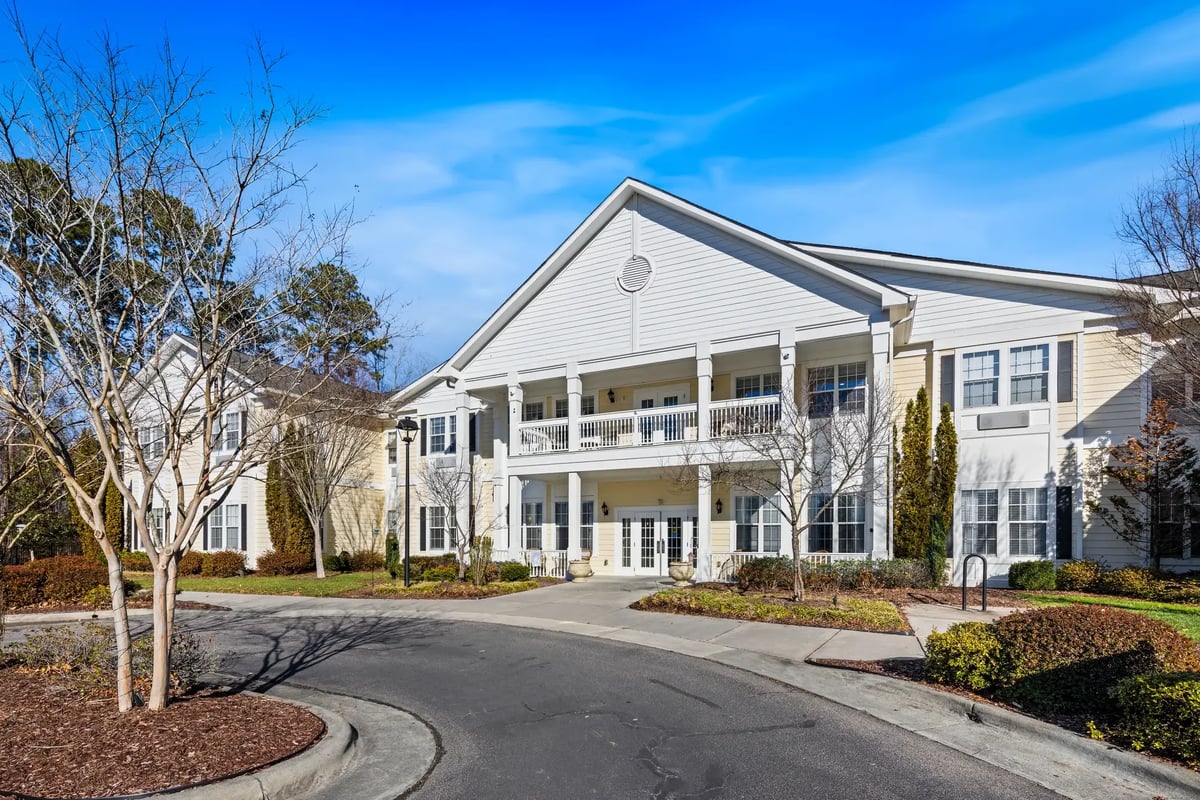
At TerraBella Durham, GLOW® Memory Care is built around each resident's life story and legacy, so care feels personal instead of routine. Residents enjoy chef-prepared meals three times a day with tableside service, and our BALANCED℠ program pairs brain-boosting dining with tastings and cooking demos. A full-time activities director keeps the calendar full, while the craft room and outdoor spaces give residents familiar ways to spend the day. Families gain peace of mind knowing nutrition, medication management, and daily engagement are covered in a homey setting close to Duke University Hospital.
If you're wondering what a safer next step looks like for someone you love, come see how our associates care for residents living with dementia. Schedule a tour today.